Step Into the Scene: Explore Where Classic TV Moments Happened
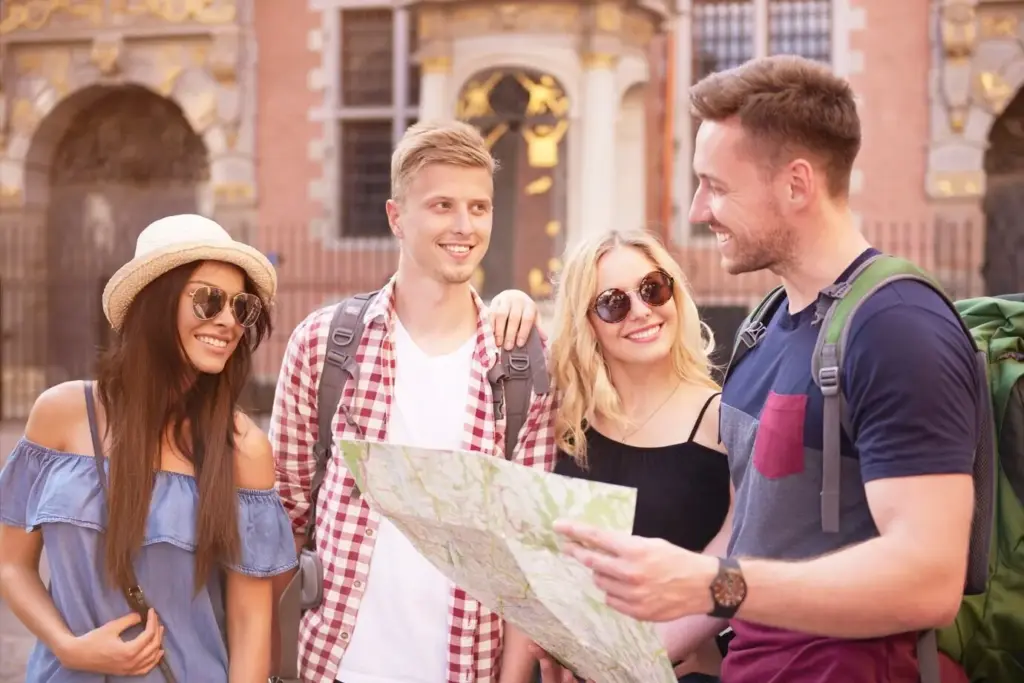
Today we launch an interactive mapping of the exact spots where classic TV moments were shot, uniting meticulous research with on-the-ground verification so you can stand precisely where cameras once rolled. Discover addresses, coordinates, context, and practical guidance, while learning how production choices shaped what you saw on screen. Bring friends, plan a route, or simply daydream from your sofa as you trace unforgettable scenes through real streets, parks, diners, and studios with confidence and care.

How We Pinpoint Every Frame’s Real-World Coordinates

Accuracy matters when memories meet maps. We synthesize studio records, location permits, call sheets, continuity notes, historical imagery, street directories, and satellite data to reconcile what appears on screen with the city as it exists today. Then we layer sun-angle analysis, skyline lines, and signage clues. Finally, we validate with site visits, local experts, and public records to ensure every pin lands where the scene truly unfolded, not where rumor or nostalgia suggests.

From Scripts to Sidewalks

Our process begins with scripts, call sheets, and location logs, but paper alone rarely tells the whole story. We track prop rentals, permit filings, trade reports, and archival photos to verify dates, angles, and practical constraints. Cross-referencing crew interviews and neighborhood histories, we connect written directions with real intersections, confirming storefront evolutions, demolished façades, and renamed streets. The result is a verifiable path from production paperwork to the exact curb where camera and cast once met.

Frame-by-Frame Geomatching

A single frame can reveal everything: rooflines, lamp posts, brick patterns, awning seams, and even the spacing between windows. We match those details against street-level photography, cadastral maps, and historical panoramas. By measuring perspective, focal length approximations, and shadows, we triangulate precise camera placement. When foliage or seasonal decor obscures clues, we compare multiple episodes and cutaways. Each subtle landmark becomes a coordinate, guiding us to the precise patch of pavement seen by millions.

Scenes You Can Visit Today

Some moments belong in museums; others live at crosswalks, diners, and fountains. Here you’ll find meticulously verified pins for locations still accessible to visitors, with notes about what remains unchanged and what exists only in memory. We provide transit hints, photography tips, respectful etiquette, and nearby spots to explore between stops. Whether you chase a favorite sitcom’s exterior or a moody drama’s establishing shot, the map helps you recreate the feeling without recreating any disruptions.

01

Seinfeld’s Iconic Diner Facade

The familiar neon facade belongs to Tom’s Restaurant on Broadway in New York City, the exterior famously associated with Jerry and friends. Interiors were sets, so manage expectations and enjoy the real street perspective. Our pin guides you to the angle matching title cards and establishing shots, plus safe spots for photos without blocking doorways. Nearby, we list subway options and additional show-related exteriors within walking distance, perfect for an afternoon that balances nostalgia with neighborhood life.

02

The Fountain Opener Everyone Knows

That playful splash you remember wasn’t in Manhattan’s Central Park. The famous fountain sequence linked with six friends was filmed at the Warner Bros. Ranch in Burbank, on a backlot set with carefully controlled lighting and water effects. While access varies and may be restricted, our entry explains vantage points occasionally visible on tours, provides historical context, and suggests publicly accessible LA locations that evoke similar energy. Capture the vibe responsibly, and support surrounding businesses that welcome fans year-round.

03

A Slice of Twin Peaks

North Bend, Washington, offers a tangible taste of mystery at the diner known on screen for cherry pie and coffee. Today’s Twede’s Cafe embraces its cameo history while serving locals and travelers alike. Our pin narrows the precise exterior angle, while notes detail interior differences and signage updates. Respect staff and patrons, ask before extensive photography, and consider timing your visit to quieter hours. The surrounding valley and nearby river viewpoints add cinematic landscapes to your itinerary.

Designing the Map for Discovery, Not Overwhelm

The world’s cities hold thousands of recognizable corners; an effective interface turns abundance into curiosity, not confusion. We cluster nearby pins, reveal detail progressively, and maintain readable labels at every zoom. Filters prioritize what matters to you—by show, decade, city, mood, or accessibility. A clear legend differentiates confirmed coordinates from debated spots, while tooltips offer quick context. Thoughtful defaults, gentle onboarding, and responsive design invite exploration without requiring expertise, leaving attention for stories, not menus.

Respect on Location: People, Places, and Permissions

Visiting recognizable spots should honor local life. Not every street corner welcomes crowds, and not every camera angle is replicable without special permissions. We identify public vantage points, clarify private boundaries, and encourage mindful behavior. Our notes highlight peak times to avoid congestion, offer quiet-hour alternatives, and emphasize purchasing from nearby businesses. By following practical etiquette—no blocking entrances, no loud gatherings, no intrusive photography—we protect communities and ensure these places remain welcoming for future fans and curious newcomers.

Public vs Private, Simplified

Exterior pins indicate where viewing is publicly lawful, but that never grants a right to enter private property or restricted spaces. We clearly mark areas requiring permission and point to nearby sidewalks or plazas offering comparable angles. When a shot originated from a residence, office, or rooftop, we advise against attempting access, suggesting safer, respectful alternatives instead. If in doubt, ask a local authority or simply enjoy the view from a distance, keeping safety and goodwill paramount.

Care for Communities

Every neighborhood has rhythms—school dismissal, deliveries, religious services, market days. Plan your visit to minimize disruptions. Keep groups small, speak softly, and leave walkways clear. If photographing people, always ask. Support local businesses by buying a coffee or snack, and consider tipping generously when staff answer questions about history. If a place feels overwhelmed, move on and return at a calmer time. The best souvenir is a story that leaves no trace and earns every smile back.

Credit Where It’s Due

Locations are collaborative triumphs shaped by writers, directors, location managers, residents, and city departments. When sharing photos or writing posts, acknowledge the production, the neighborhood, and any sources that helped you find the spot. Our map includes credit fields and citation suggestions to honor that work. This habit not only celebrates craftsmanship but also builds trust with communities, making future projects and fan visits smoother. Recognition sustains relationships that turn urban spaces into lasting screen memories.

Plan Your Route Like a Producer

Great visits combine logistics with artistry. We help you schedule by light, crowd levels, and transit, linking real-world constraints with cinematic results. Suggestions include morning shots for softer shadows, weekday walks for quieter sidewalks, and clustering pins to reduce backtracking. You’ll find notes on restrooms, water stops, accessible paths, and weather considerations. Treat your itinerary like a shoot day: gather essentials, check forecasts, communicate with companions, and leave time for serendipity when an unexpected vista calls.

Submit a Missing Moment

Think we overlooked a brilliant scene? Use the submission form to provide a candidate show, episode, timestamp, and any supporting evidence such as archival articles, crew interviews, or street-level photographs. Even partial clues—an awning number, architectural detail, or bus route—can unlock certainty. Our team reviews, replicates research steps, and updates pins when verification meets our standard. Contributors are credited, and complex cases are tracked publicly so you can follow progress and celebrate final confirmations together.

Correct a Pin, Share a Tip

If coordinates feel slightly off, or an angle seems impossible without a ladder, tell us. Include present-day photos, measurement notes, or metadata that clarifies perspective. We’ll annotate the entry with a revision trail and reasoning, so future visitors understand changes. Tips about best hours, construction scaffolds, or temporary art installations help others plan realistically. Respectful, evidence-based feedback keeps the map precise while building a community standard that prizes transparency over guesswork or hearsay.

Community Walks and Meetups

Exploring together can be safer and more fun. We host occasional walks with clear group sizes, accessibility considerations, and a pace that welcomes photographers and storytellers alike. Local historians, location professionals, or longtime residents often join, enriching every stop with lived experience. Want to lead one? Propose a route, share your guidelines, and we’ll help publicize it. The goal is simple: meaningful connection, minimal disruption, and memories that honor both the shows and the neighborhoods that hosted them.
Quorinexalvapnio
Privacy Overview

This website uses cookies so that we can provide you with the best user experience possible. Cookie information is stored in your browser and performs functions such as recognising you when you return to our website and helping our team to understand which sections of the website you find most interesting and useful.